How Long to Stay in Korea After Nose Surgery
How Long to Stay in Korea After Nose Surgery: A Practical Recovery Timeline
If you’re traveling to Korea for rhinoplasty, one of the most important planning questions is how long you should stay after nose surgery. Leaving too early can increase discomfort and risk, while staying the right amount of time allows proper healing, follow-ups, and peace of mind.
This guide explains recommended stay durations after rhinoplasty in Korea, based on recovery stages and travel safety.
Short Answer: How Long Should You Stay?
Most patients are advised to stay in Korea for 7–10 days after rhinoplasty.
For more complex procedures, 10–14 days is ideal.
The exact duration depends on:
- Type of rhinoplasty (primary vs revision)
- Whether bone work (osteotomy) was performed
- Use of rib cartilage
- Individual healing speed
- Flight length back home
Rhinoplasty Recovery Timeline & Stay Recommendations
Day 0–3: Surgery & Immediate Recovery ❌ Do Not Leave
- Peak swelling and pressure
- Bleeding risk still present
- Splint and internal support in place
- Requires close medical monitoring
Not safe for travel.
Day 5–7: Early Healing ⚠️ Only If Necessary
- Swelling still noticeable
- Splint often still attached
- Pressure changes during flights may cause pain
Some patients fly short distances at this stage only with surgeon approval, but it’s not ideal.
Day 7–10: Recommended Minimum Stay ✅
- Nasal splint usually removed
- External wounds checked
- Major bleeding risk reduced
- Swelling stabilizing
This is the most common departure window for international patients.
Day 10–14: Ideal Stay ⭐
- Greater comfort during travel
- Reduced swelling and bruising
- Lower risk of pressure-related discomfort
- Better peace of mind for long-haul flights
Strongly recommended for:
- Long international flights
- Cartilage-based rhinoplasty
- Revision surgery
- Rib cartilage procedures
Does the Type of Nose Surgery Matter?
Yes—surgery type directly affects how long you should stay.
Primary Rhinoplasty (Implant-Based)
- Minimum: 7–10 days
- Ideal: 10 days
Cartilage-Based Rhinoplasty
- Minimum: 10 days
- Ideal: 10–14 days
Revision Rhinoplasty
- Minimum: 10 days
- Ideal: 14 days
Rib Cartilage Rhinoplasty
- Minimum: 10 days
- Ideal: 14 days
Why Staying Too Short Is Risky
Leaving Korea too early may lead to:
- Increased swelling during flights
- Difficulty managing bleeding or infection
- No access to your surgeon if complications arise
- Missed splint removal or follow-up checks
Post-op care is just as important as surgery itself.
Follow-Up Visits You’ll Need Before Leaving
Most clinics schedule:
- Early post-op check (Day 1–2)
- Splint removal (Day 6–8)
- Final clearance check before flying
Skipping these visits increases risk.
Can You Travel Around Korea During Recovery?
Light activity is usually allowed after:
- 3–5 days: short walks, cafés, gentle sightseeing
- 7+ days: normal daily movement
Avoid:
- Heavy lifting
- Intense walking
- Heat exposure
- Alcohol
- Strenuous sightseeing
Recovery should stay the priority.
Planning Tip for International Patients
When booking your trip:
- Plan minimum 10 nights in Korea
- Choose flexible return flights
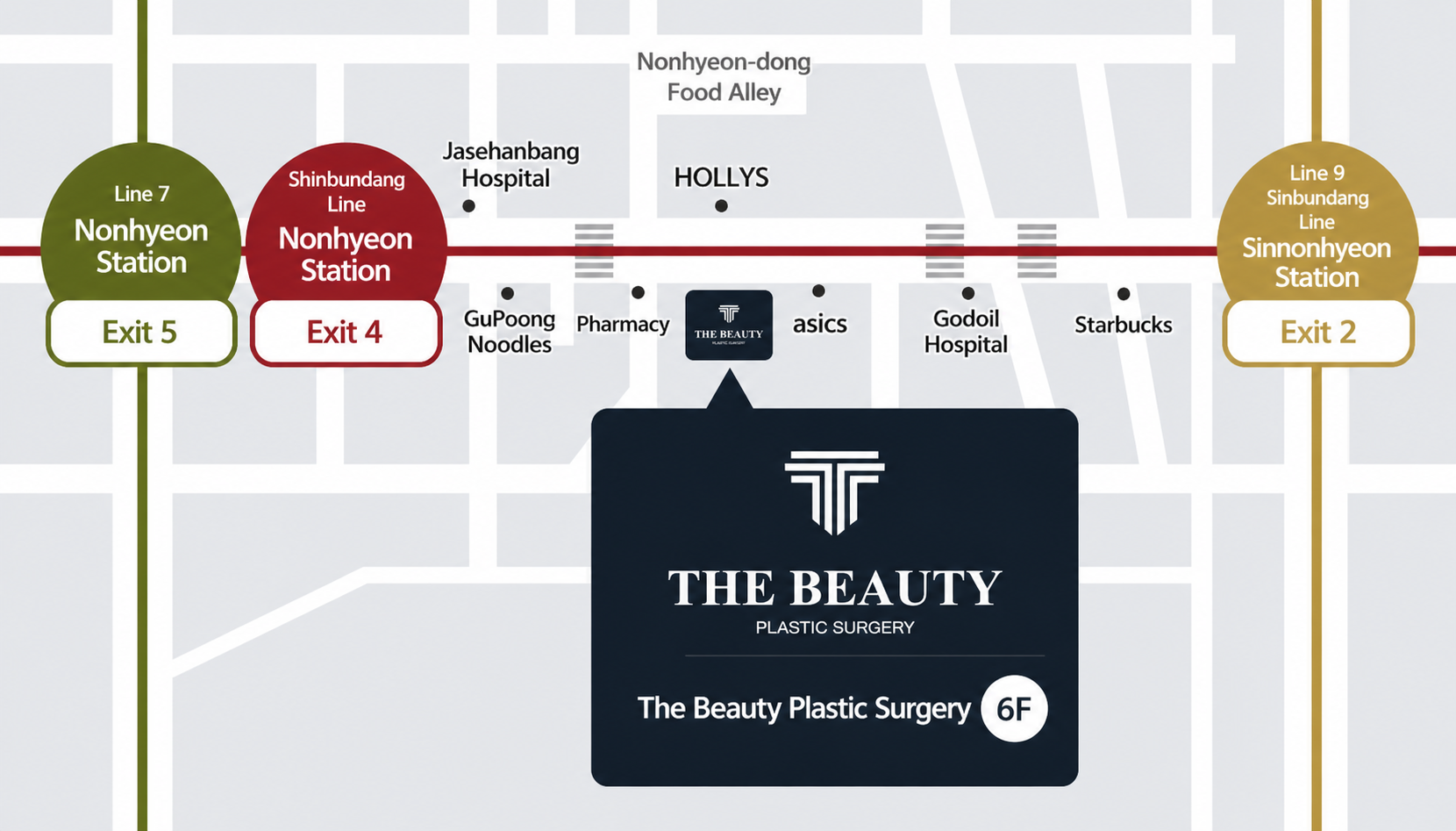
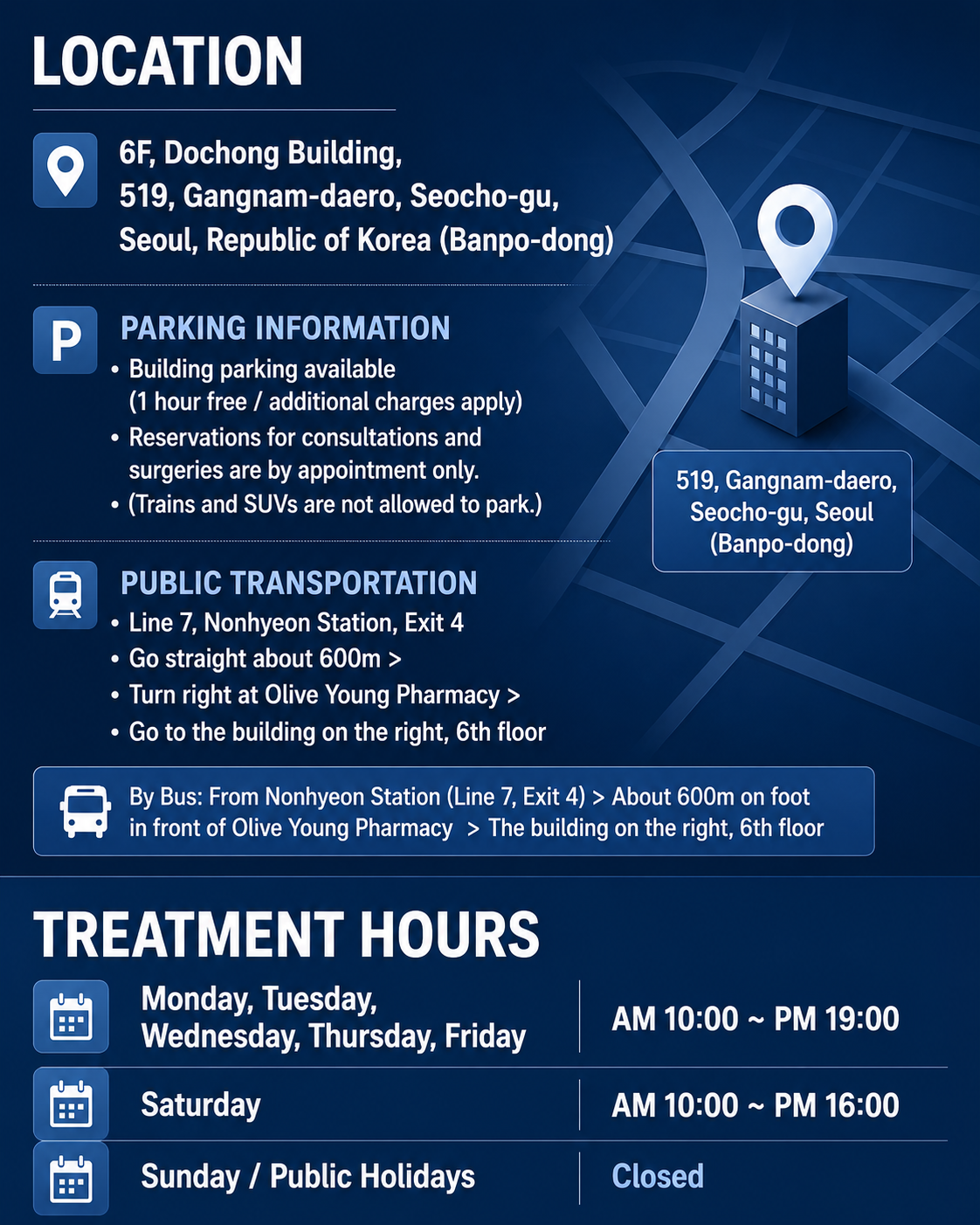
- Stay near your clinic for easy follow-ups
- Avoid scheduling surgery on your last days
This reduces stress and protects your results.
Final Thoughts
For most patients, staying 7–10 days in Korea after nose surgery is the minimum, while 10–14 days is ideal, especially for complex rhinoplasty. Proper recovery time allows safe healing, smooth travel, and better long-term outcomes.
When in doubt, always follow your surgeon’s personalized recommendation rather than rushing your return.