Deep Plane Facelift in Seoul, Korea
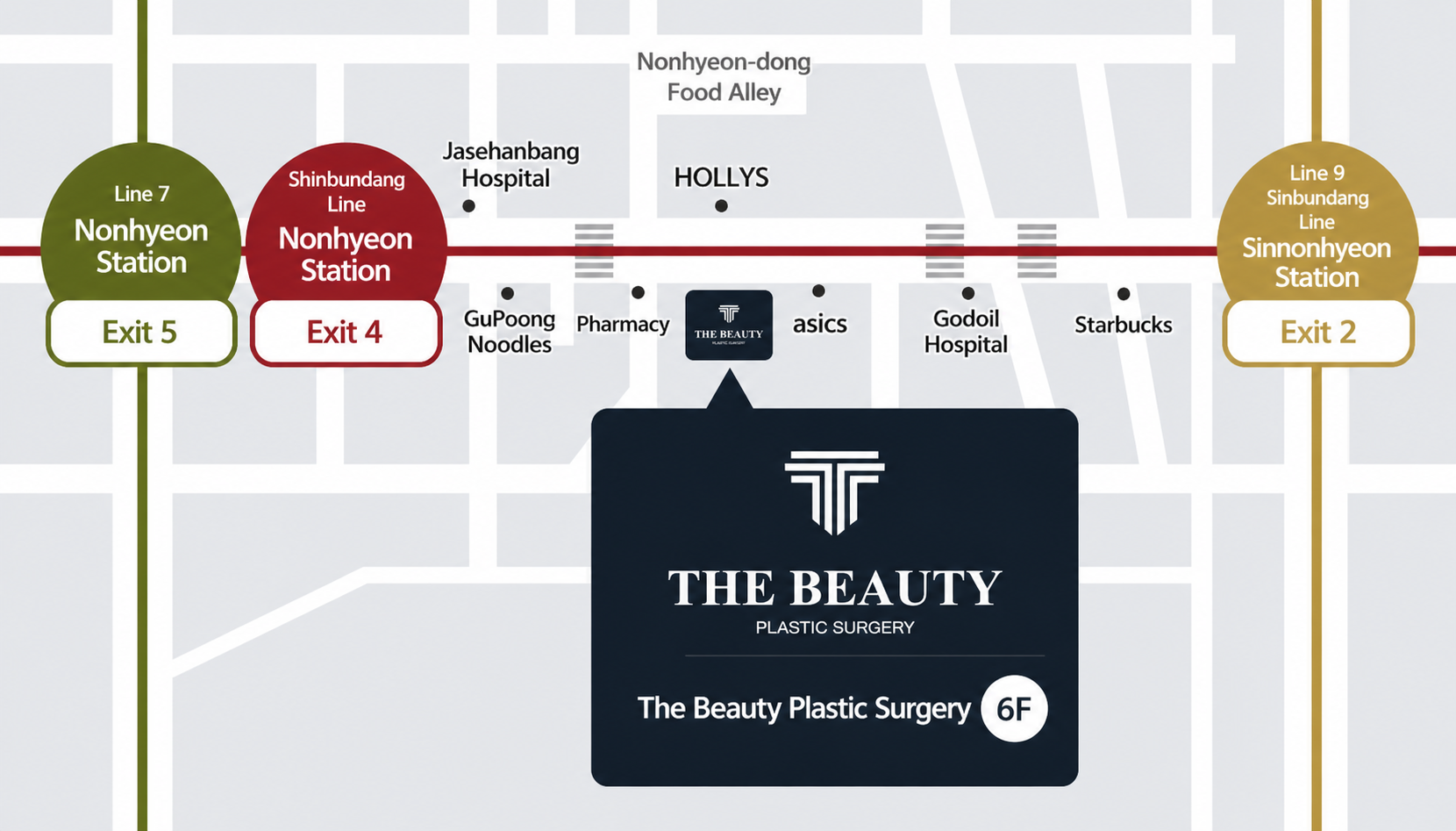
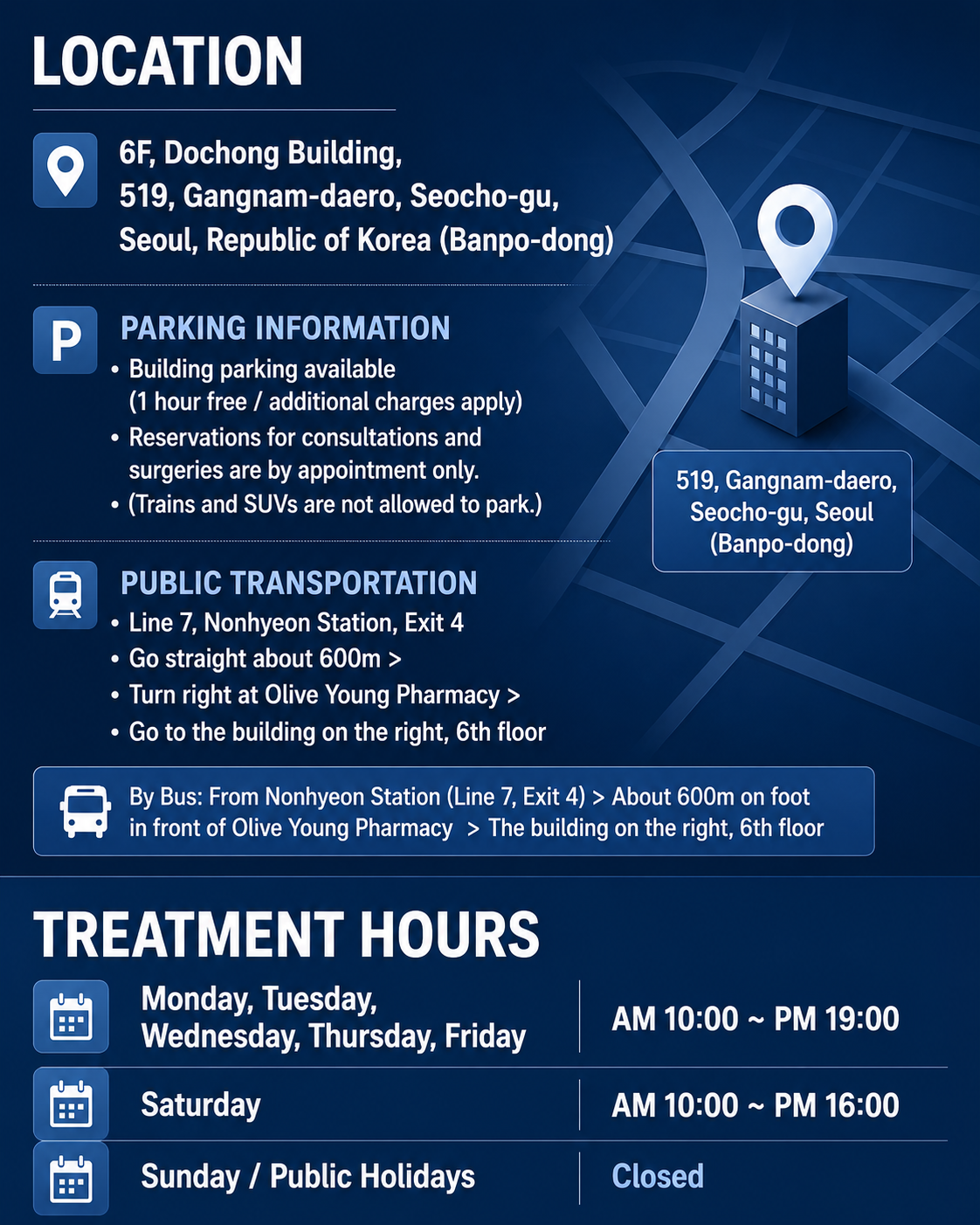
The Beauty Surgery Clinic | Sinnonhyeon · Gangnam
A Deep Plane Facelift at THE BEAUTY Plastic Surgery in Gangnam, Seoul, is an advanced facial rejuvenation procedure that lifts the deeper facial structures rather than simply tightening the skin. By repositioning the SMAS layer and facial retaining ligaments, a Deep Plane Facelift creates natural, youthful, and long-lasting results while preserving natural facial expressions.
Why Choose THE BEAUTY Plastic Surgery for a Deep Plane Facelift?
THE BEAUTY Plastic Surgery specializes in advanced facial rejuvenation using modern Deep Plane Facelift techniques designed to restore youthful facial contours without creating an over-pulled appearance. Every surgery is customized to each patient's facial anatomy, degree of aging, skin quality, and aesthetic goals.
Unlike traditional facelifts that primarily tighten the skin, the Deep Plane Facelift releases facial retaining ligaments and repositions the deeper facial tissues as one continuous unit. This allows for more natural movement, improved midface rejuvenation, smoother nasolabial folds, and longer-lasting results.
International patients receive comprehensive care from English-speaking coordinators throughout consultation, surgery, and recovery.
What Is a Deep Plane Facelift?
A Deep Plane Facelift is one of the most advanced facelift techniques available for facial rejuvenation.
Instead of pulling the skin alone, the procedure lifts the deeper facial support structures beneath the skin, including the SMAS (Superficial Musculoaponeurotic System) and facial retaining ligaments.
This allows the surgeon to reposition the cheeks, jawline, and neck naturally while reducing tension on the skin.
A Deep Plane Facelift can improve:
- Sagging cheeks
- Deep nasolabial folds
- Marionette lines
- Jowls
- Loss of jawline definition
- Loose neck skin
- Platysmal banding
- Overall facial aging
The goal is to restore youthful facial contours while maintaining a refreshed, natural appearance.
Who Is a Good Candidate?
A Deep Plane Facelift may be recommended for patients who have:
- Moderate to severe facial sagging
- Jowls
- Loose neck skin
- Deep nasolabial folds
- Marionette lines
- Loss of jawline definition
- Midface descent
- Patients seeking long-lasting facial rejuvenation
Most candidates are typically in their 40s through 70s, although suitability depends on facial anatomy rather than age alone.
Benefits of a Deep Plane Facelift
Natural-Looking Results
Because the deeper facial tissues are repositioned instead of simply tightening the skin, patients achieve a refreshed appearance without looking "pulled."
Lift the Midface
One of the major advantages of the Deep Plane technique is its ability to restore youthful cheek volume and elevate descended midface tissues.
Improve the Jawline and Neck
The procedure effectively treats jowls and neck laxity, creating a more defined jawline and smoother neck contour.
Long-Lasting Rejuvenation
Deep Plane Facelift results typically last longer than many traditional facelift techniques because the deeper support structures are repositioned.
Preserve Natural Facial Expressions
Since excessive skin tension is avoided, facial movement remains soft and natural.
Personalized Surgical Planning
Every facelift is customized based on each patient's facial aging pattern.
Your surgeon carefully evaluates:
- Skin elasticity
- Facial volume loss
- SMAS quality
- Midface descent
- Jawline definition
- Neck laxity
- Platysma muscle
- Overall facial proportions
Many patients benefit from combining a Deep Plane Facelift with complementary procedures such as neck lift, fat grafting, brow lift, eyelid surgery, or chin liposuction for comprehensive facial rejuvenation.
Deep Plane Facelift vs. SMAS Facelift vs. Mini Facelift
Each facelift technique addresses facial aging differently.
Deep Plane Facelift
- Releases facial retaining ligaments
- Repositions deeper facial tissues
- Excellent midface lifting
- Natural facial movement
- Long-lasting rejuvenation
- Best for moderate to advanced facial aging
SMAS Facelift
- Tightens the SMAS layer
- Improves jawline and neck
- Less extensive midface elevation
- Effective for moderate aging
Mini Facelift
- Smaller incisions
- Limited tissue repositioning
- Faster recovery
- Best for early signs of facial aging
Your surgeon will recommend the most appropriate technique based on your anatomy and treatment goals.
Procedure Overview
Deep Plane Facelift surgery is performed under general anesthesia.
The procedure generally includes:
- Comprehensive facial analysis
- Surgical planning
- Carefully concealed incisions around the ears and hairline
- Release of facial retaining ligaments
- Repositioning of the SMAS and deeper facial tissues
- Neck rejuvenation when indicated
- Skin redraping with minimal tension
- Precise closure
- Postoperative monitoring
Most surgeries take approximately 5–7 hours, depending on whether additional procedures are performed.
Recovery
Recovery occurs gradually over several weeks.
Most patients experience:
- Swelling and bruising during the first two weeks
- Noticeable improvement after two to three weeks
- Continued reduction of swelling over several months
- Return to light daily activities within approximately 2 weeks
- Progressive scar maturation over the following months
- Final results becoming more refined over 6–12 months
Following your surgeon's postoperative instructions is essential for optimal healing.
Deep Plane Facelift for International Patients
THE BEAUTY Plastic Surgery provides comprehensive care for international patients traveling to Korea for facial rejuvenation.
Our international services include:
- English-speaking coordinators
- Personalized online consultations
- Comprehensive surgical planning
- Airport transfer assistance
- Hotel recommendations
- Detailed postoperative care
- Scheduled follow-up appointments before returning home
For most international patients, a stay of approximately 2–3 weeks is recommended to allow sufficient recovery and postoperative follow-up before traveling home.
Frequently Asked Questions
What is a Deep Plane Facelift?
A Deep Plane Facelift is an advanced facelift technique that repositions the deeper facial tissues and SMAS layer rather than simply tightening the skin, producing more natural and longer-lasting facial rejuvenation.
How is a Deep Plane Facelift different from a traditional facelift?
Unlike traditional skin-tightening techniques, a Deep Plane Facelift releases the facial retaining ligaments and lifts the deeper facial structures, creating more comprehensive and natural rejuvenation, especially in the cheeks and midface.
How long do Deep Plane Facelift results last?
Results commonly last 10–15 years, although individual longevity depends on genetics, skin quality, lifestyle, and the natural aging process.
Will I look unnatural after surgery?
The goal of a Deep Plane Facelift is to restore youthful facial contours while preserving natural facial movement and expressions. When performed correctly, patients generally look refreshed rather than "overdone."
Is a Deep Plane Facelift painful?
Most patients experience mild to moderate discomfort during the early recovery period, which is well managed with prescribed medications.
How long is the recovery?
Most patients return to light daily activities after approximately 2 weeks, while swelling continues to improve over several months.
How long should international patients stay in Korea?
Most international patients are advised to stay in Korea for approximately 2–3 weeks to complete postoperative follow-up visits and ensure safe recovery before flying home.
Can a Deep Plane Facelift be combined with other procedures?
Yes. A Deep Plane Facelift is commonly combined with a neck lift, platysmaplasty, fat grafting, brow lift, upper or lower blepharoplasty, chin liposuction, skin resurfacing, or regenerative treatments to achieve comprehensive facial rejuvenation.